1
Naturalness
Common assumption
A polished sample means every passage will sound convincing.
Better evaluation
Test your own script, including names, pauses, questions, and longer sentences.
Before you try it
This omnivoice review is a framework for assessing a voice workflow, not a claim that every feature or output has been independently tested. Use it to decide what to verify with your own script and listening criteria.

A useful review starts by separating assumptions from things you can actually check. These three distinctions matter more than a feature list.
Common assumption
A polished sample means every passage will sound convincing.
Better evaluation
Test your own script, including names, pauses, questions, and longer sentences.
Common assumption
A voice that sounds familiar is automatically appropriate to use.
Better evaluation
Confirm consent and rights before using a real person's likeness.
Common assumption
A multilingual label guarantees equal quality in every language.
Better evaluation
Listen to each language and accent needed for your project.
Common assumption
One generation will need no correction.
Better evaluation
Allow time to revise pronunciation, pacing, and awkward phrasing.
Common assumption
A search result establishes current access terms.
Better evaluation
Check the destination's current terms and available controls directly.
Common assumption
A short demo predicts performance across a full episode.
Better evaluation
Evaluate a representative passage at the length you intend to publish.
Treat Omnivoice as a voice-tool topic to investigate, rather than a promise of a particular sound, feature set, or result.
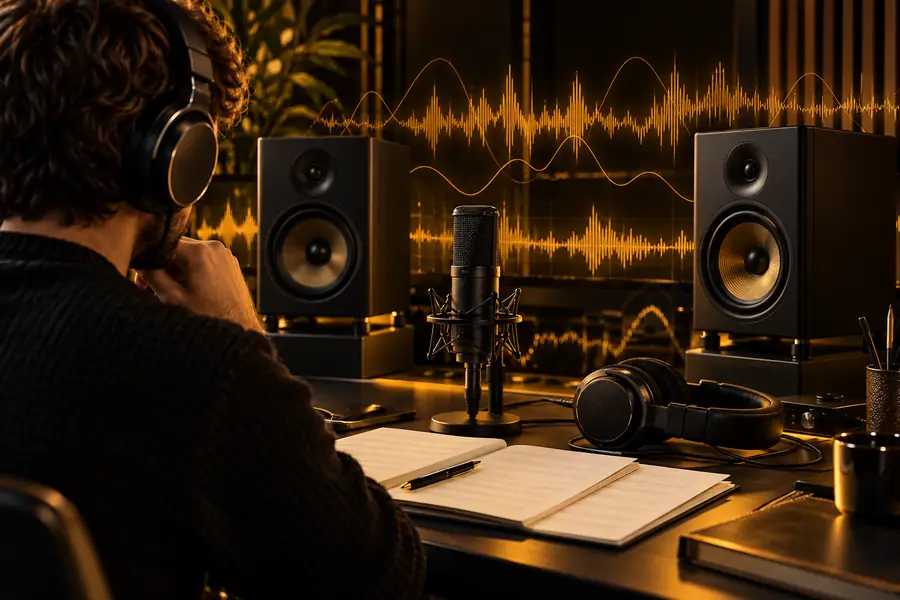

These images illustrate an evaluation process; they are not a verified before-and-after audio test. Start with a short passage that resembles your intended work. Listen for intelligibility, consistent tone, believable pauses, and correct pronunciation. Then try a revision to see whether the workflow lets you address what you heard. A review based on that repeatable exercise is more useful than judging an isolated promotional sample.
This page cannot establish current product behavior on its own. Check the destination and test a representative passage before committing to a project.
This review does not verify which voices, languages, editing controls, or export options are currently available at the destination. An interface or its terms may also change after this page is published.
WorkaroundInspect the current product interface and confirm the specific control or output your project requires.
Voice quality depends on the text, the chosen voice, the language, and your audience's expectations. A pleasant short clip does not settle how a long narration will sound.
WorkaroundTest names, numbers, emotional passages, and longer paragraphs from your actual script.
This page cannot grant permission to imitate someone's voice or determine whether a particular recording is lawful to use. A technically possible result may still be unsuitable for publication.
WorkaroundUse voices you have permission to use and obtain appropriate advice for sensitive or commercial projects.
A tool may sound good yet fail a project because revisions take too long or the available output does not suit the editing process. Judge the complete workflow, not only the first result.
WorkaroundRun a small end-to-end trial, including revisions and delivery to your editor.
Do not rely on Omnivoice for a deadline-sensitive recording until you have confirmed access, tested your own script, and checked that the result meets your delivery needs. Do not use any voice likeness without appropriate permission. If those checks are feasible, explore the destination with a short, representative passage and make your decision from what you hear and can revise.
Look for a clearly described test script, listening criteria, and any limits on what the reviewer could verify. A review is more informative when it distinguishes observed output from claims about features or access.
It can help you form a checklist, but it cannot replace a test with your own material. Try passages that reflect your required length, names, tone, and language, then assess the revision process as well as the sound.
Samples can help you decide what to investigate, but a curated clip may not reveal how a voice handles your script. Compare a short sample with a longer, representative passage and listen for consistency and pronunciation.
No. This page offers an evaluation framework, not a verified inventory of current controls, formats, languages, or terms. Confirm those details at the destination before planning a production workflow.
Establish that you have permission to use the voice and that its intended use is appropriate. Sound quality does not establish consent, so treat rights clearance as a separate decision.